AKI BLOK: A building system for calm and concentration
“What started as curiosity about form, balance, and materials evolved into a building system that invites people to understand materials and space through their hands.”

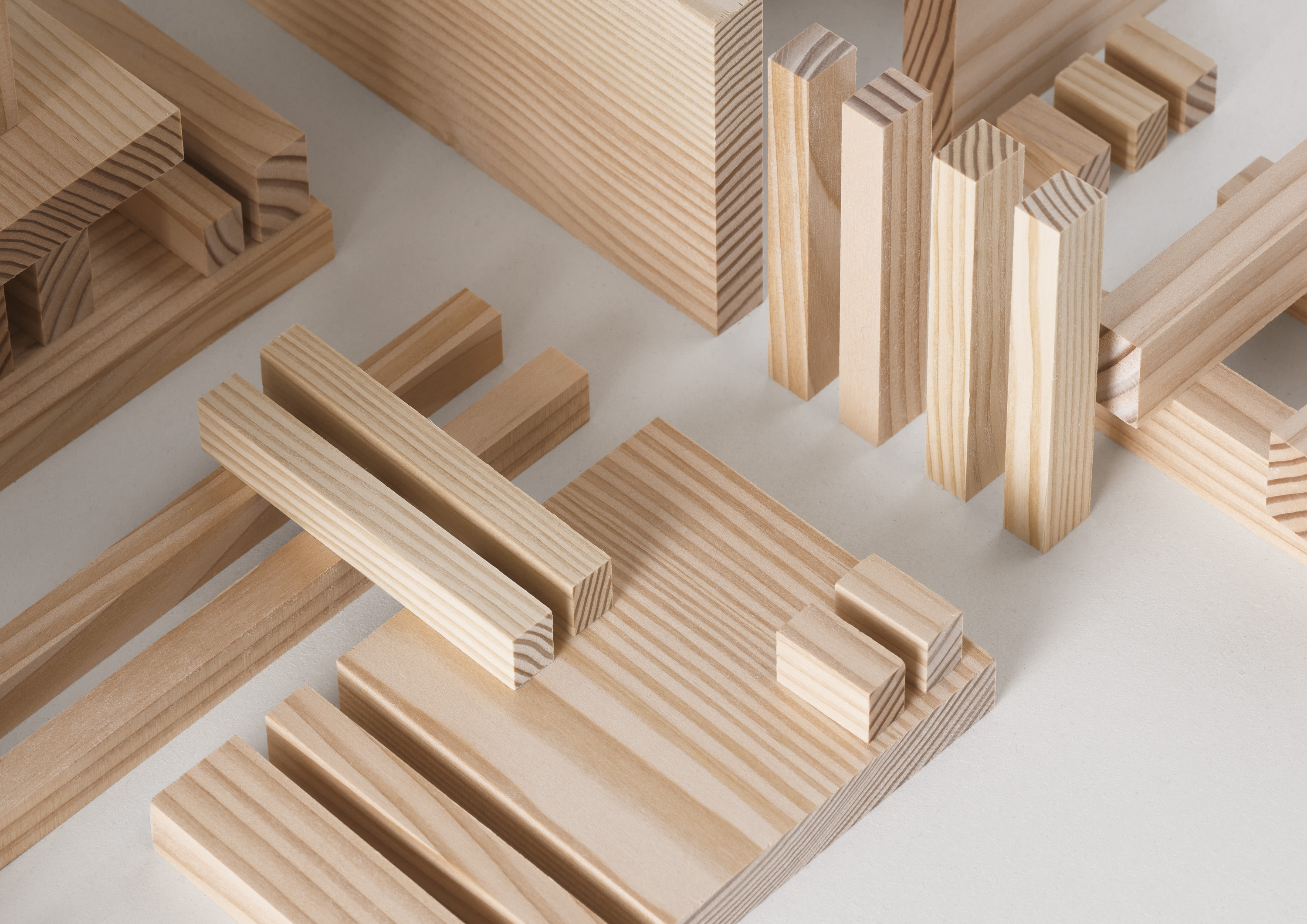
Dinesen Douglas wooden blocks handmade by students of Troldkærskolen
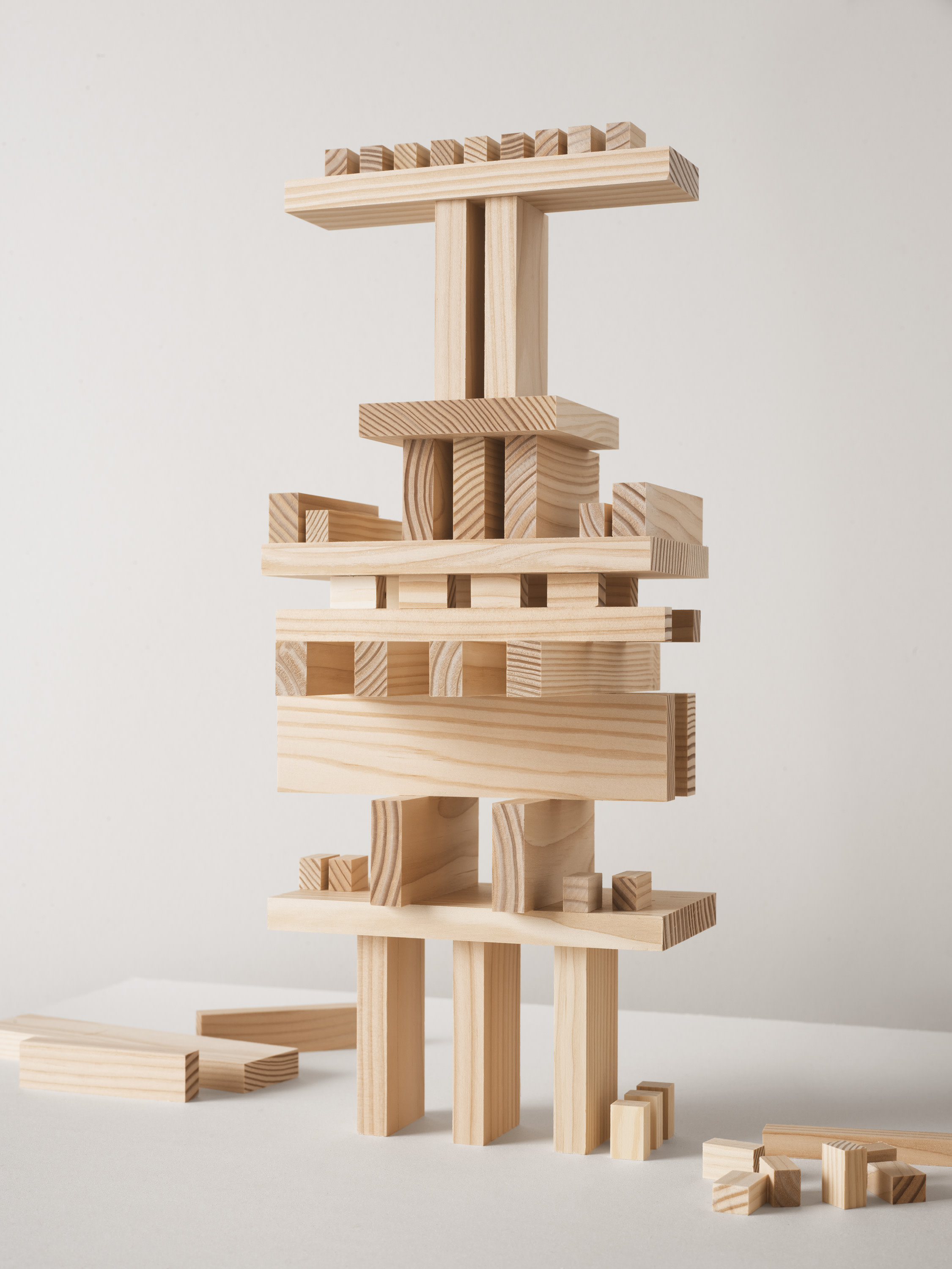
104 wooden blocks in architectural forms
AKI BLOK was created to encourage meaningful, hands-on activity in a fast-paced, digital world. A way for people to slow down, use their hands, and explore materials without instructions or goals, fostering calm, concentration, and shared experiences. Excluding none, AKI BLOK nurtures creativity, dignity, and community through making.
Founded by Sissel Fuglsang-Smidt alongside Cecilia Elbæk Pedersen and Kristine Dornonville de la Cour, the project unites expertise in architecture, art history, and cultural communication. The team’s shared respect for materials and human connection underpins a system that bridges design, learning, and wellbeing.
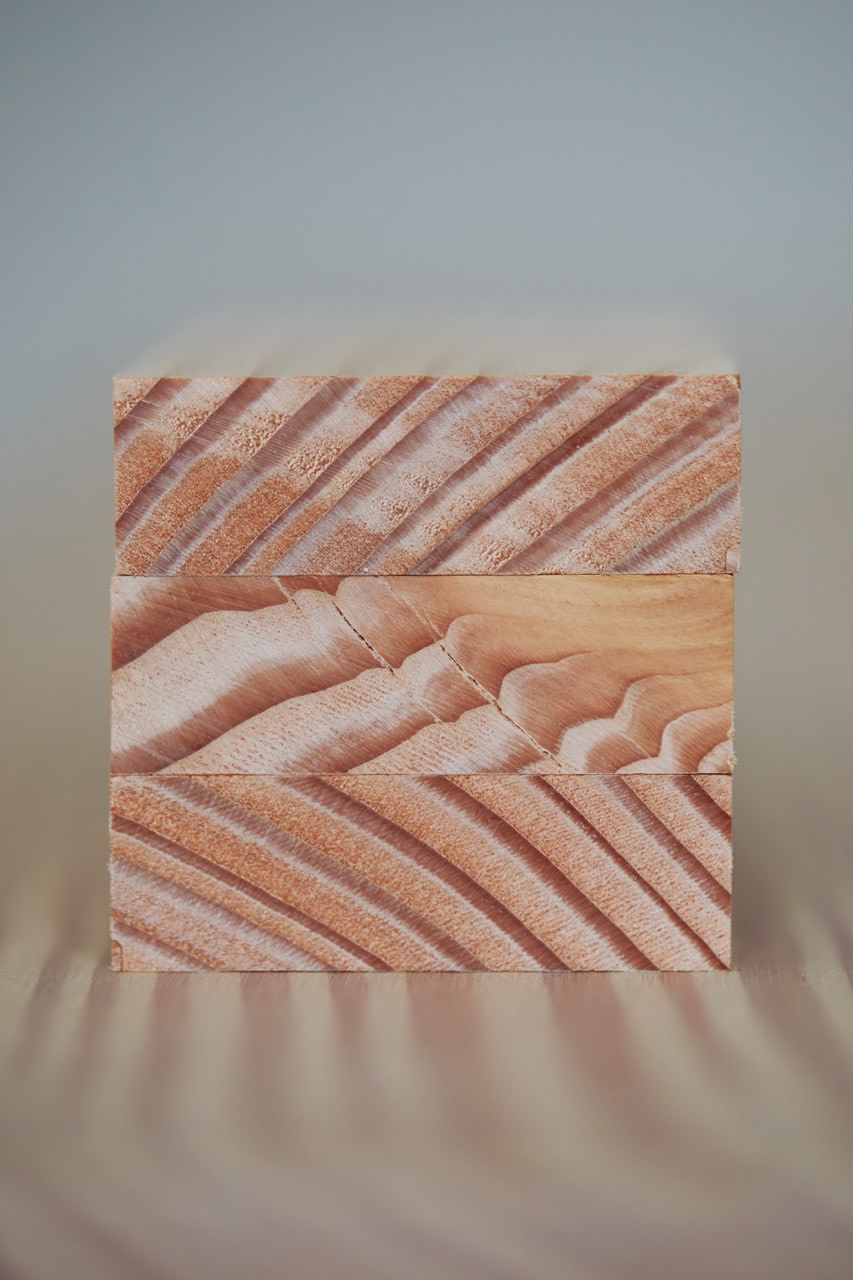
Unfinished Dinesen Douglas wooden blocks
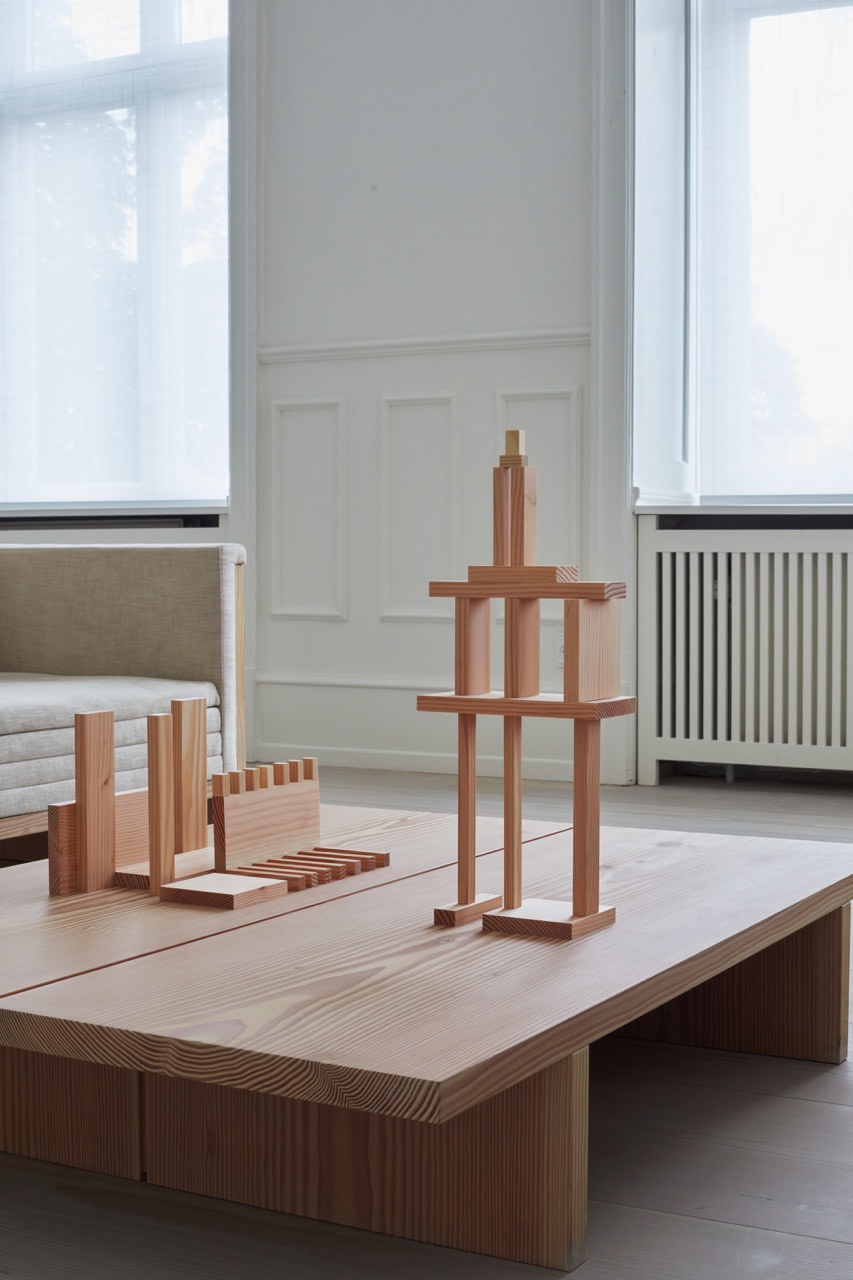
AKI BLOK blocks stacked at Dinesen Apartment by John Pawson
The design of AKI BLOK was developed in collaboration with architecture student Sofia Ryan Sondresen and architect Silje Kolltveit, thereby shaping the system’s architectural language.
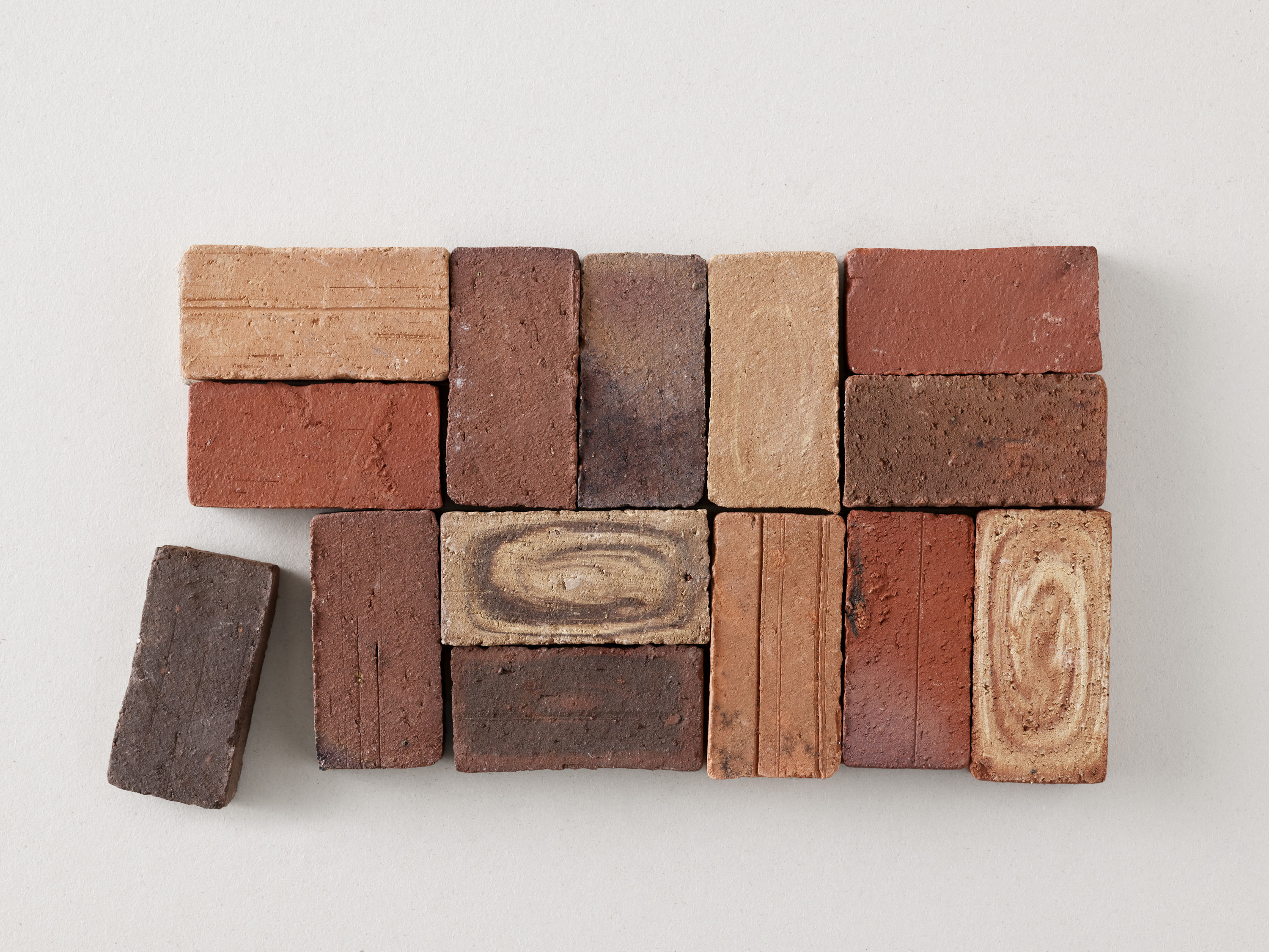
Material is central to AKI BLOK. The building blocks – wood from Dinesen and clay from Petersen Tegl – are selected for their craftsmanship and responsible production. These materials provide a direct, sensory connection to weight, balance, and form, enabling users to understand space physically while connecting with history and permanence. Each block, made from Dinesen Douglas fir and handmade clay bricks, reflects quality, longevity, and circular thinking.
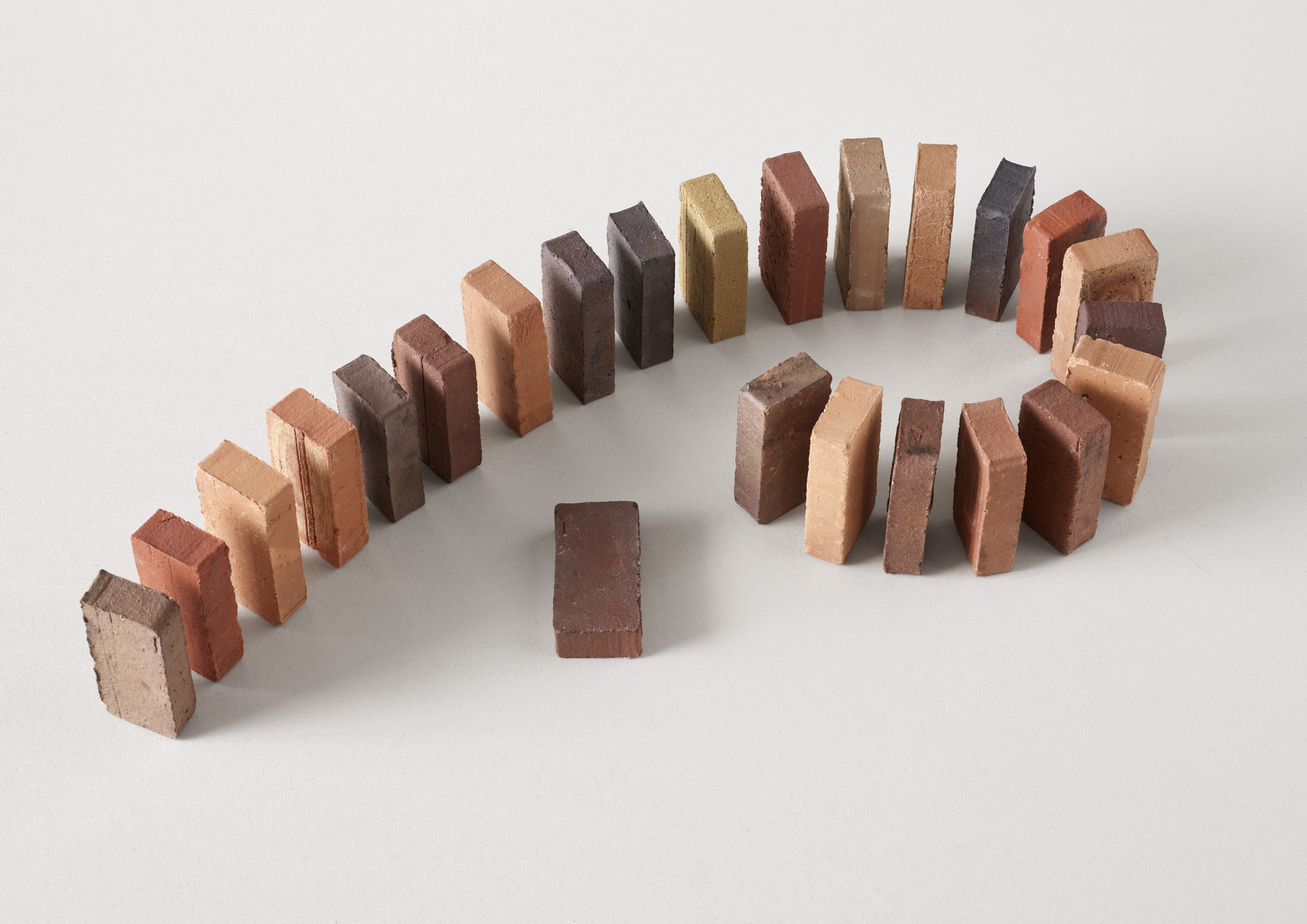
Handcrafted miniature Petersen Tegl tiles

Petersen Tegl tiles
”We've built close relationships with staff and students. Their involvement enriches the production with exchange and curiosity.”
Collaboration across disciplines and partnerships with material experts and a social enterprise are key. Production involves young people learning through making, adding meaning to each piece. A central part of production happens at Troldkær in Jels, Denmark, a social enterprise where students work with wood as part of their education.

“The collaboration with Dinesen involved discussions on product development and led to Troldkær. Petersen Tegl contributed material expertise and miniature bricks.”